
This is the website of Pasha Clothier. As a creative practitioner, curator and project manager I’ve exhibited 117 times in 17 countries, but that’s a bit too much to put here so expect a compressed view.
The projects and events were mostly based around te taiao the environment and engaging indigenous. Over the last twenty years I’ve lso been very involve din teaching and research at tertiary level.
To ahieve all this I work with collaborators: Trudy Lane, Nina Czegledy, Te Matahiapo Indigneous Research Centre, Maata Wharehoka, Julian Priest, Andrew Hornblow and John Christini have all been long term collaborators. Many more have been part of small teams to get the mahi work done. Thank you so much everyone.
Clicking on an image below will take you to the project page.

This image comes from a recent Aotea Utanganui Patea Museum show.The form is based on a Marshall Islands stick chart, which is used to teach about currents around an island. Marshall Islander Mau Piailug is widely credited with the rebirth of traditional navigation in Te Moana Nui a Kiwa Pacific Ocean. Creative wayfinding is very different but is based in simiular approaches although I am in no way equal to Kaiwhakatere who have the lives of those on board in their hands.
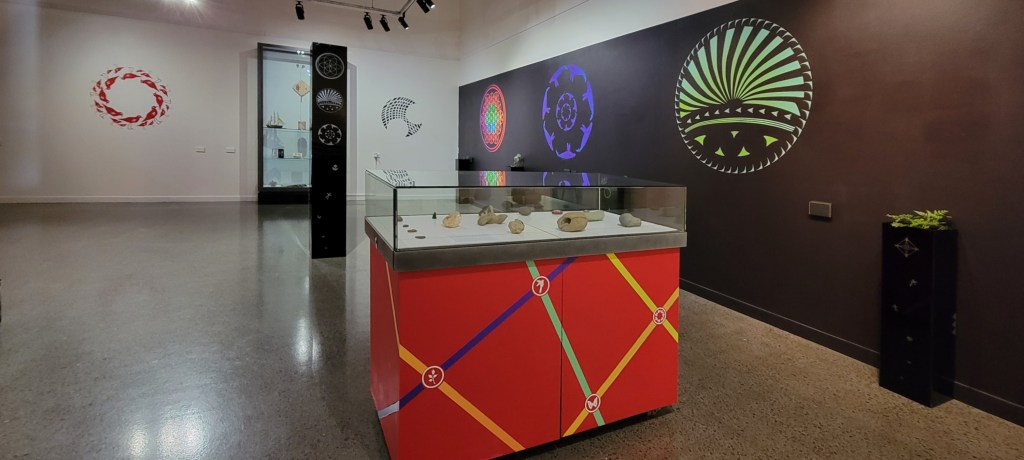
Interconnecting: pasha @ patea
A view of part of the installation Interconnecting: pasha @ patea showing the pou (post) in the middle ground bearing imagery related to tupuna (ancestors). Engaging with tupuna became one of the most significant trajectories of the PhD. Me and my whanau family are fortyone generation descendants from the island of Tahiti. Within this we have eight generations to Tahiti and Huahine – wahine who were ahu (tapa) makers.

A view of part of the installation Interconnecting: pasha @ patea showing the pou (post) in foreground bearing imagery related to tupuna (ancestors). Engaging with tupuna became one of the most significant trajectories of the PhD. Above at left is a Georgian writing bureau contemporary with the Mutiny on the Bounty saga 1790; on the wall are tupuna images dating to 1830; my grandmother, and my parents wedding photo of 1948. The cabinet at right contains artefacts made by whanau (extended family) on Hitiaurevareva – the island on which the Tahitians and sailors on HMAV Bounty made their settlement.
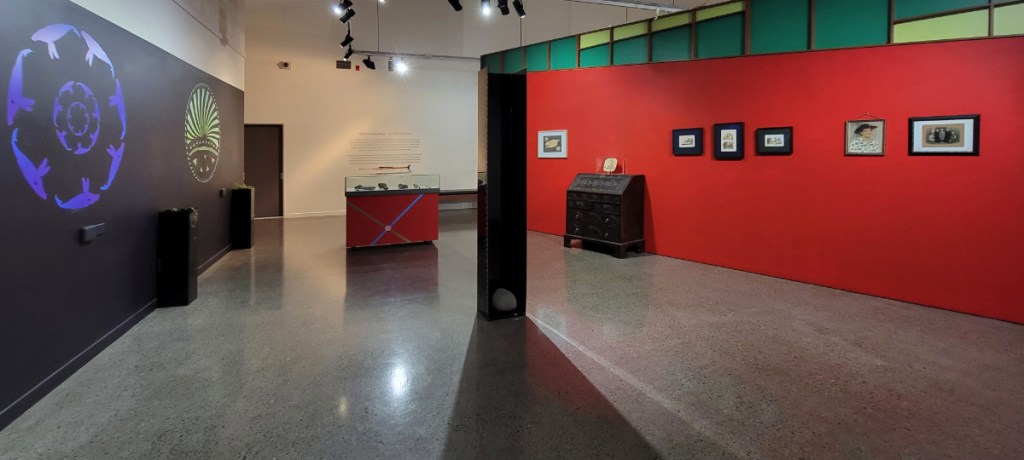
A view of part of the installation Interconnecting: pasha @ patea showing the pou (post) in foreground bearing imagery related to tupuna (ancestors). Engaging with tupuna became one of the most significant trajectories of the PhD. Above at left is a Georgian writing bureau contemporary with the Mutiny on the Bounty saga 1790; on the wall are tupuna images dating to 1830; my grandmother, and my parents wedding photo of 1948. The cabinet at right contains artefacts made by whanau (extended family) on Hitiaurevareva – the island on which the Tahitians and sailors on HMAV Bounty made their settlement.
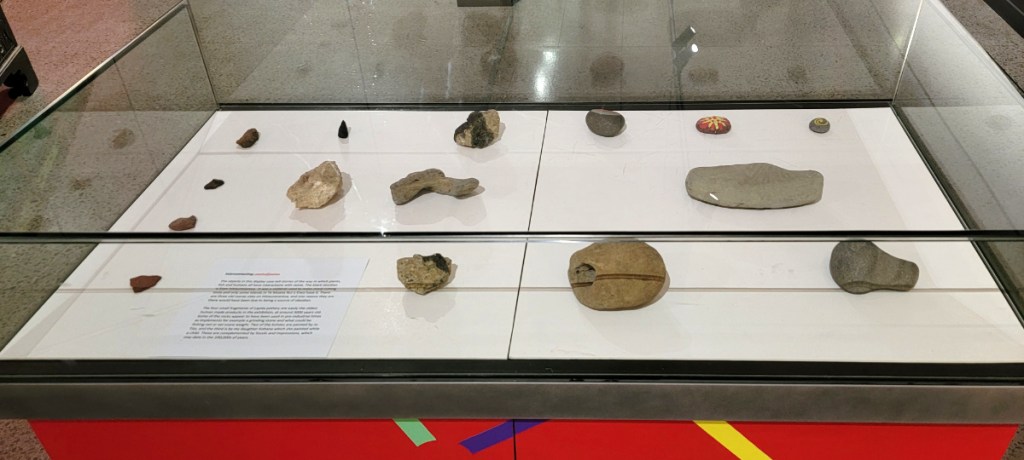
A view of part of the installation Interconnecting: pasha @ patea showing the pou (post) in foreground bearing imagery related to tupuna (ancestors). Engaging with tupuna became one of the most significant trajectories of the PhD. Above at left is a Georgian writing bureau contemporary with the Mutiny on the Bounty saga 1790; on the wall are tupuna images dating to 1830; my grandmother, and my parents wedding photo of 1948. The cabinet at right contains artefacts made by whanau (extended family) on Hitiaurevareva – the island on which the Tahitians and sailors on HMAV Bounty made their settlement.
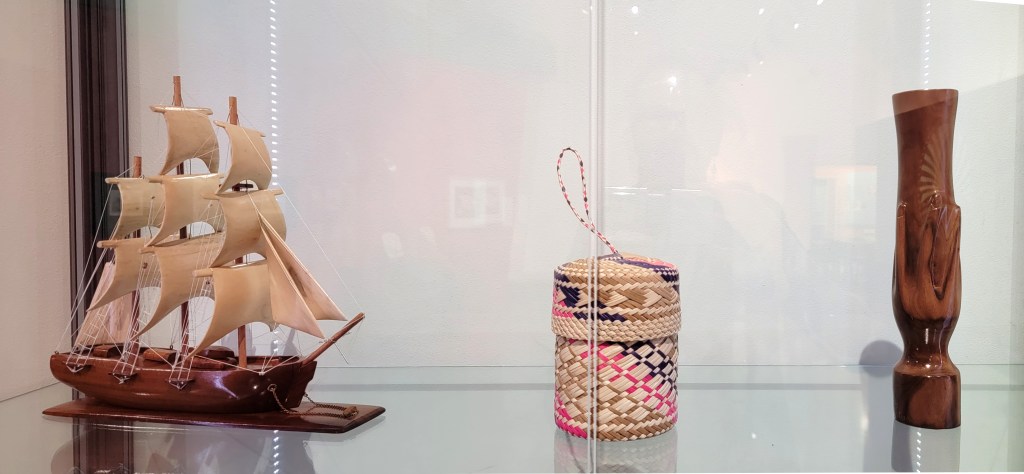
A view of part of the installation Interconnecting: pasha @ patea showing the pou (post) in foreground bearing imagery related to tupuna (ancestors). Engaging with tupuna became one of the most significant trajectories of the PhD. Above at left is a Georgian writing bureau contemporary with the Mutiny on the Bounty saga 1790; on the wall are tupuna images dating to 1830; my grandmother, and my parents wedding photo of 1948. The cabinet at right contains artefacts made by whanau (extended family) on Hitiaurevareva – the island on which the Tahitians and sailors on HMAV Bounty made their settlement.
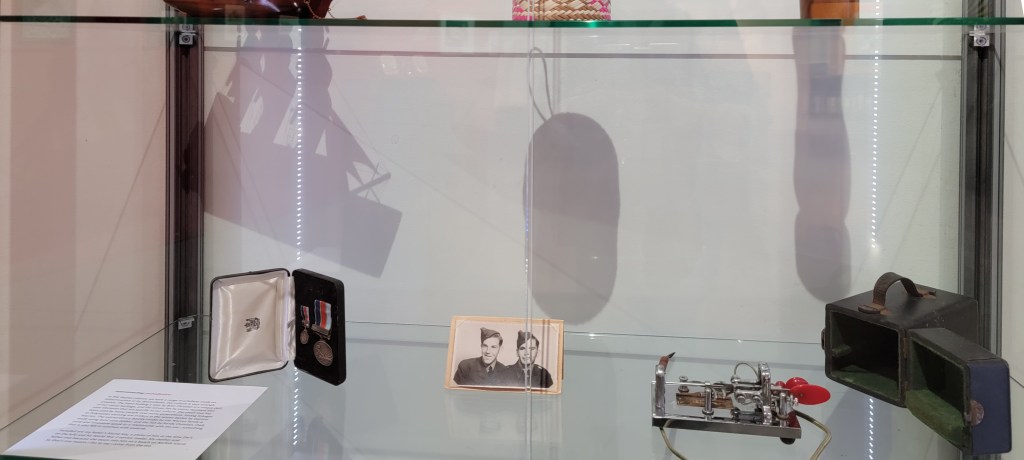
A view of part of the installation Interconnecting: pasha @ patea showing the pou (post) in foreground bearing imagery related to tupuna (ancestors). Engaging with tupuna became one of the most significant trajectories of the PhD. Above at left is a Georgian writing bureau contemporary with the Mutiny on the Bounty saga 1790; on the wall are tupuna images dating to 1830; my grandmother, and my parents wedding photo of 1948. The cabinet at right contains artefacts made by whanau (extended family) on Hitiaurevareva – the island on which the Tahitians and sailors on HMAV Bounty made their settlement.
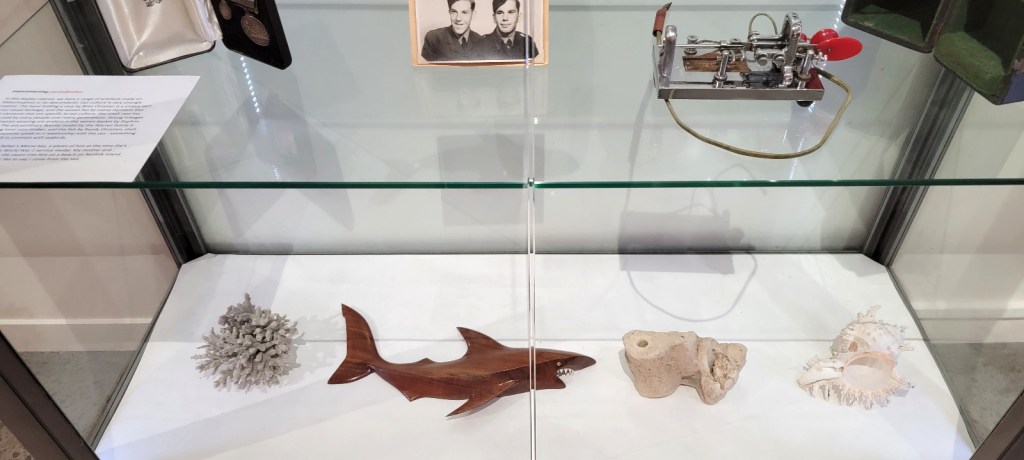
A view of part of the installation Interconnecting: pasha @ patea showing the pou (post) in foreground bearing imagery related to tupuna (ancestors). Engaging with tupuna became one of the most significant trajectories of the PhD. Above at left is a Georgian writing bureau contemporary with the Mutiny on the Bounty saga 1790; on the wall are tupuna images dating to 1830; my grandmother, and my parents wedding photo of 1948. The cabinet at right contains artefacts made by whanau (extended family) on Hitiaurevareva – the island on which the Tahitians and sailors on HMAV Bounty made their settlement.
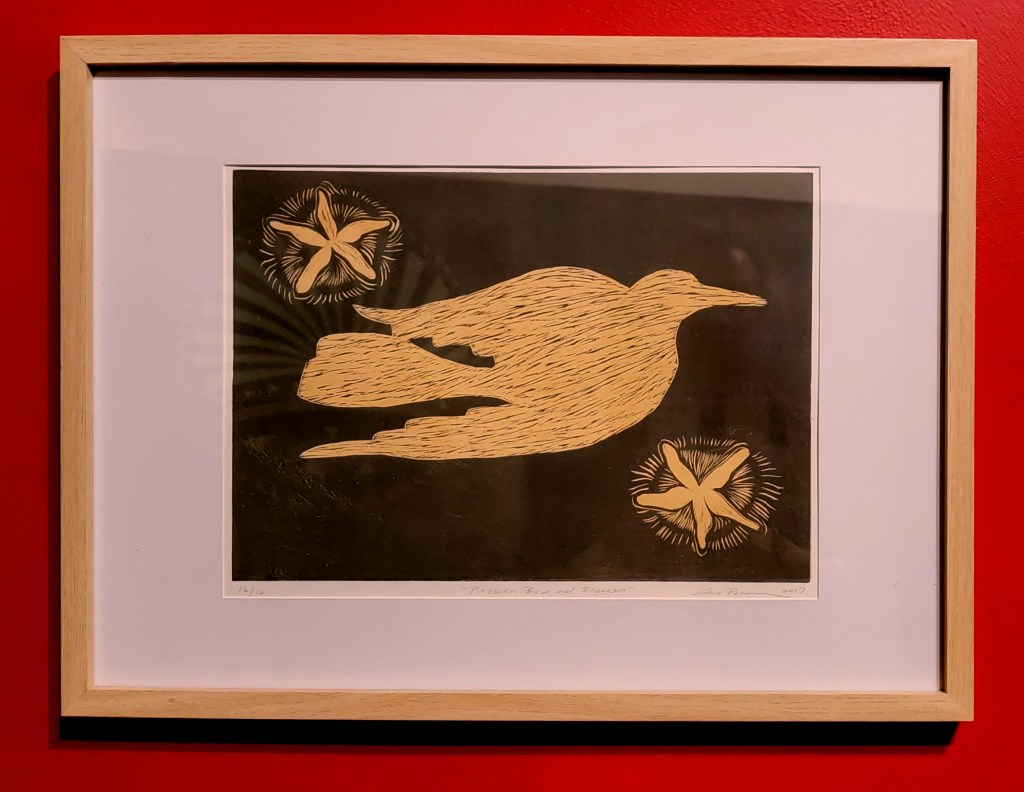
A view of part of the installation Interconnecting: pasha @ patea showing the pou (post) in foreground bearing imagery related to tupuna (ancestors). Engaging with tupuna became one of the most significant trajectories of the PhD. Above at left is a Georgian writing bureau contemporary with the Mutiny on the Bounty saga 1790; on the wall are tupuna images dating to 1830; my grandmother, and my parents wedding photo of 1948. The cabinet at right contains artefacts made by whanau (extended family) on Hitiaurevareva – the island on which the Tahitians and sailors on HMAV Bounty made their settlement.
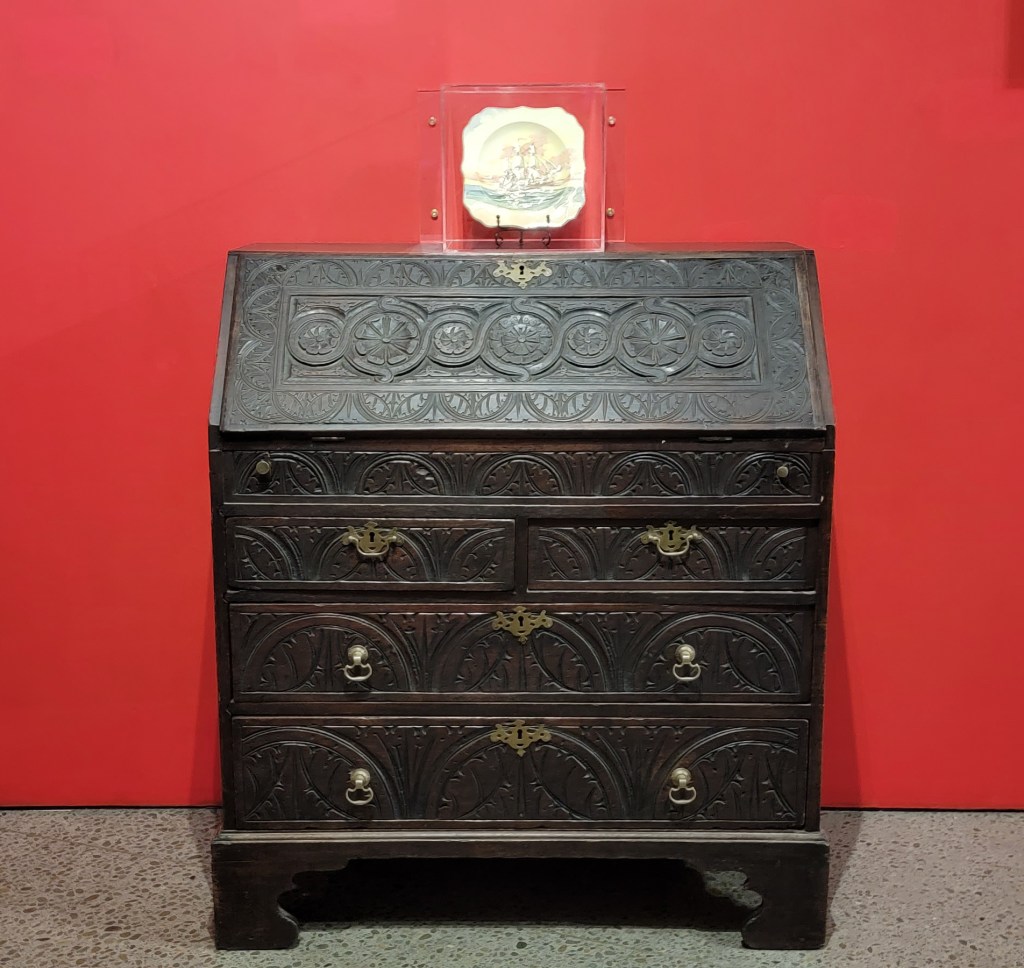
A view of part of the installation Interconnecting: pasha @ patea showing the pou (post) in foreground bearing imagery related to tupuna (ancestors). Engaging with tupuna became one of the most significant trajectories of the PhD. Above at left is a Georgian writing bureau contemporary with the Mutiny on the Bounty saga 1790; on the wall are tupuna images dating to 1830; my grandmother, and my parents wedding photo of 1948. The cabinet at right contains artefacts made by whanau (extended family) on Hitiaurevareva – the island on which the Tahitians and sailors on HMAV Bounty made their settlement.
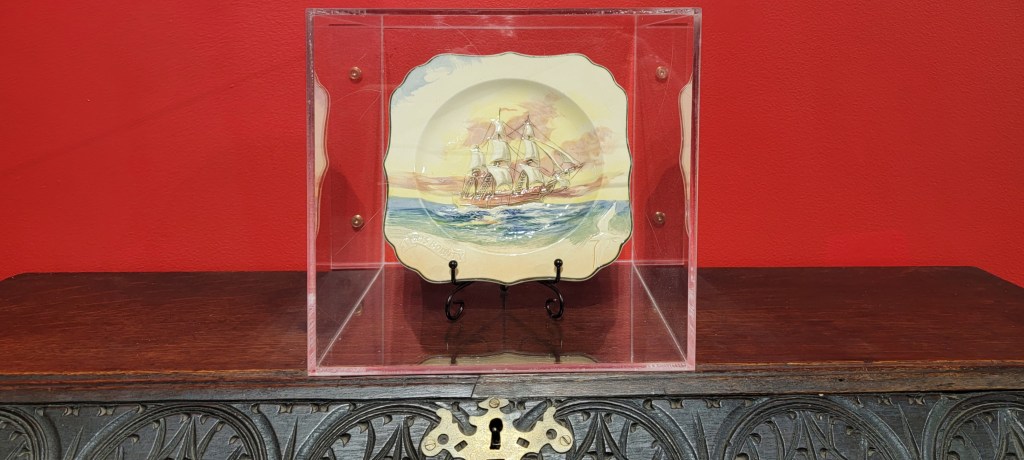
A view of part of the installation Interconnecting: pasha @ patea showing the pou (post) in foreground bearing imagery related to tupuna (ancestors). Engaging with tupuna became one of the most significant trajectories of the PhD. Above at left is a Georgian writing bureau contemporary with the Mutiny on the Bounty saga 1790; on the wall are tupuna images dating to 1830; my grandmother, and my parents wedding photo of 1948. The cabinet at right contains artefacts made by whanau (extended family) on Hitiaurevareva – the island on which the Tahitians and sailors on HMAV Bounty made their settlement.

A view of part of the installation Interconnecting: pasha @ patea showing the pou (post) in foreground bearing imagery related to tupuna (ancestors). Engaging with tupuna became one of the most significant trajectories of the PhD. Above at left is a Georgian writing bureau contemporary with the Mutiny on the Bounty saga 1790; on the wall are tupuna images dating to 1830; my grandmother, and my parents wedding photo of 1948. The cabinet at right contains artefacts made by whanau (extended family) on Hitiaurevareva – the island on which the Tahitians and sailors on HMAV Bounty made their settlement.
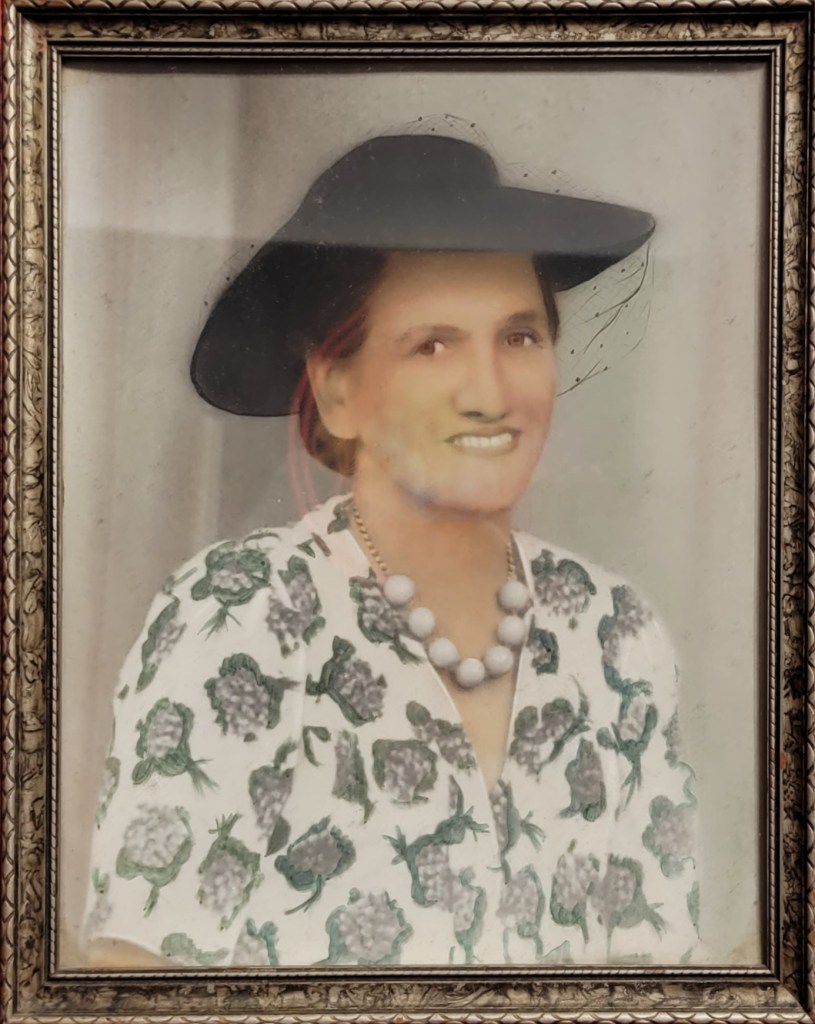
A view of part of the installation Interconnecting: pasha @ patea showing the pou (post) in foreground bearing imagery related to tupuna (ancestors). Engaging with tupuna became one of the most significant trajectories of the PhD. Above at left is a Georgian writing bureau contemporary with the Mutiny on the Bounty saga 1790; on the wall are tupuna images dating to 1830; my grandmother, and my parents wedding photo of 1948. The cabinet at right contains artefacts made by whanau (extended family) on Hitiaurevareva – the island on which the Tahitians and sailors on HMAV Bounty made their settlement.
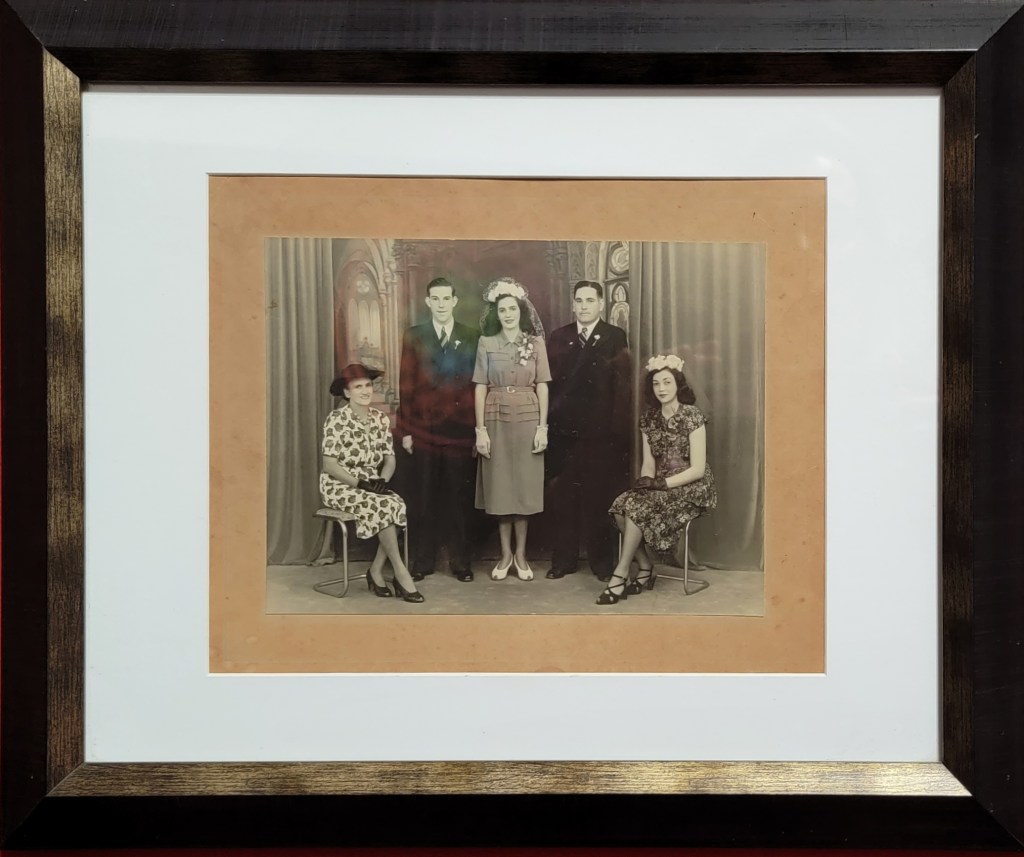
A view of part of the installation Interconnecting: pasha @ patea showing the pou (post) in foreground bearing imagery related to tupuna (ancestors). Engaging with tupuna became one of the most significant trajectories of the PhD. Above at left is a Georgian writing bureau contemporary with the Mutiny on the Bounty saga 1790; on the wall are tupuna images dating to 1830; my grandmother, and my parents wedding photo of 1948. The cabinet at right contains artefacts made by whanau (extended family) on Hitiaurevareva – the island on which the Tahitians and sailors on HMAV Bounty made their settlement.
Kāhili
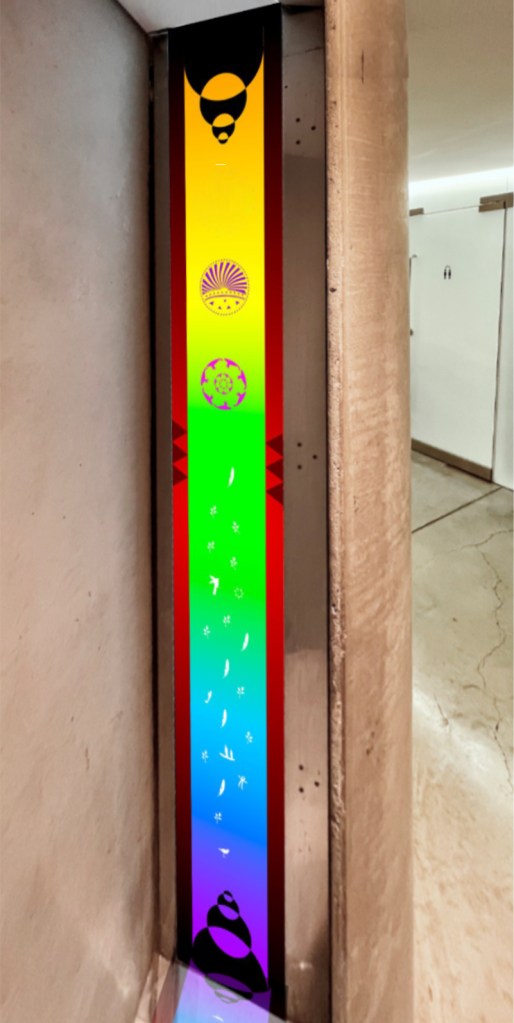
This work is one of the Rainbow Bridge series, which are intended as bridges from Indigenous – in this case Moana or Polynesian peoples to whom I belong – to the West. The notion of doing this was prompted by my Kumu (Teacher) Kawaihululani who is a guide, friend and mentor.
Some of the imagery relates to my whakapapa (genealogy) and directly refers to tupuna (ancestors). Therefore, the window was blessed with appropriate processes. It was very synchornistic that the window blessing event coincided with Te Ua a major exhibtion of Moana and Māori artists contextualised around water.
There is imagery going all the way up and down the work, which deliberately places visuals within the sight line of children. Considering the generations is typical in Moana and Māori culture.
Shannon Novak made the arrangements for the five year install of this clear vinyl work through which the light shines. Light and rainbows are important components to Hawai’ian cosmology, a reflection of the input of Kawaihululani.
References
Deleuze, G. & Guattari, F. (1987). A Thousand Plateaus. Minneapolis: University of Minnesota Press.
Ioannidis, A.G., Blanco-Portillo, J., Sandoval, K. et al. Native American gene flow into Polynesia predating Easter Island settlement. In Nature 583, 572–577 (2020). https://doi.org/10.1038/s41586-020-2487-2
O’sullivan, S. (2001). The Aesthetics of Affect in Thinking Art Beyond Representation. ISSN 0969-725X print/ISSN 1469-2899 online/01/030125-11 Taylor & Francis Ltd and the Editors of Angelaki. DOI: 10.1080/09697250120087987
Reynolds, P., & Wheeler, V. (2022). Mā’ohi methodologies and frameworks for conducting research in Mā’ohi Nui. AlterNative: An International Journal of Indigenous Peoples. Vol 18 (4), 488–495. https://doi.org/10.1177/11771801221114999
Spennemann, Dirk H.R. (1998). Essays on the Marshallese Past Second edition. Albury: Charles Sturt University. http://marshall.csu.edu.au/Marshalls/html/essays/es-tmc-2.html
Todd, Z. (2016). An Indigenous Feminist’s Take on the Ontological Turn: ‘Ontology’ Is Just Another Word For Colonialism. In Journal of Historical Sociology Vol. 29 No. 1. DOI: 10.1111/johs.12124
Waikerepuru, H. (2011). Te Hihiri o Te Taiao. http://www.intercreate.org/huirangi-waikerepuru/
Wilmshurst, J. Hunt, B. Lipo C. and Anderson, A. (2011). High-precision radiocarbon dating shows recent and rapid initial human colonization of East Polynesia. In Proceedings of the National Academy of Sciences February 1, 2011 vol. 108, no. 5, p 1815–1820.
Wilson, S. (2008). Research is Ceremony: Indigenous Research Methods. Black Point:Fernwood Publishing.
Wilson-Hokowhitu, N. (2019). The Past before Us: Moʻokūʻauhau as Methodology. [ED.]. Honolulu: University of Hawai’i Press.
 The website of Mahutoa 'Pasha' Clothier